Ferrets
The Importance of Exercising Your Ferret
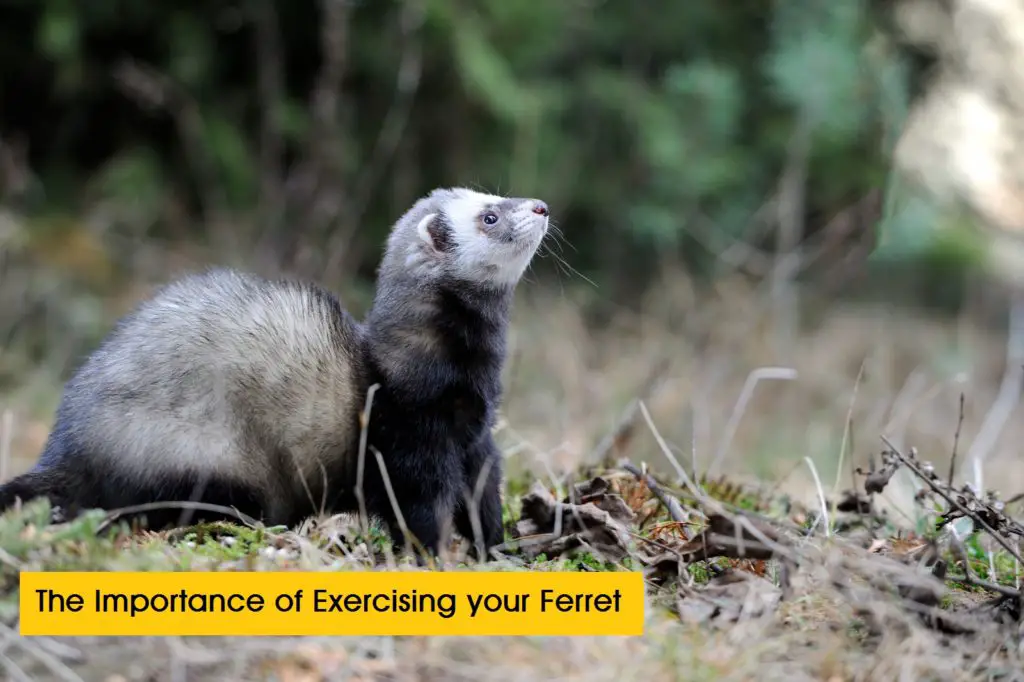
Exercising your ferret keeps it fit and happy. Ferrets need 2 to 4 hours out of the cage daily, safe toys, a ferret-proofed space and supervised play.

A full set of ferret care guides covering diet, shots, bathing, litter training, exercise and how to keep a pet ferret happy.
Exercising your ferret keeps it fit and happy. Ferrets need 2 to 4 hours out of the cage daily, safe toys, a ferret-proofed space and supervised play.
Thinking of choosing a ferret for a pet? Here are 10 reasons ferrets make playful pets, plus safety, diet, legal and vet care facts to know first.
Ferret shots protect against canine distemper and rabies. Learn the vaccine schedule vets use, how to spot reactions and why yearly checkups matter.
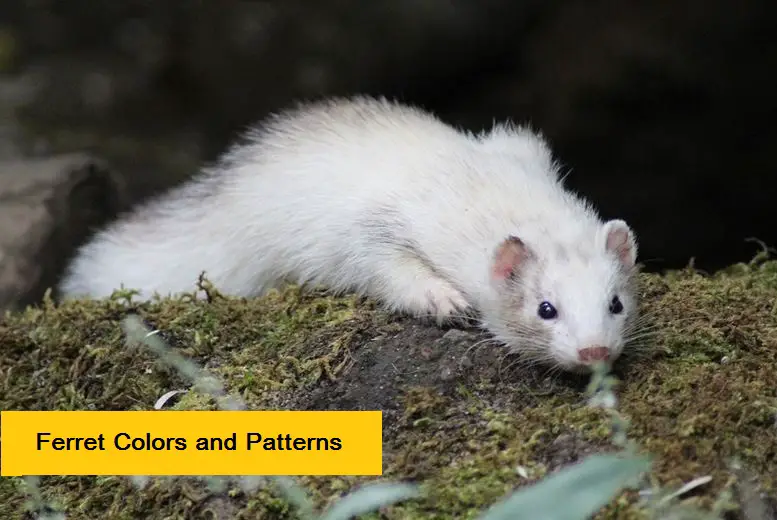
Albino ferrets have white coats, pink noses and red eyes, but the same care needs as any ferret. Learn about their behavior, grooming and health.
Foods you should never feed your ferret: dairy, dog food, cooked bones, fruit, vegetables and sugar. Ferrets need a meat-based, low-carb diet.
A poor diet in ferrets can cause weight loss, digestive trouble and worse insulinoma signs. Learn what ferrets need to eat and when to see a vet.
Ferret hydration matters because ferrets can’t sweat and dehydrate fast. Keep water out at all times, rooms under 75°F, and see a vet for diarrhea.
Ferret colors include sable, black sable, albino, chocolate, champagne, cinnamon, black and dark-eyed white. See the AFA color and pattern standards.
Toilet training your ferret works best with corner litter boxes, quick rewards, no punishment, and limited space until the habit sticks.
Ferrets as pets are playful, curious and sleep up to 18 hours a day. Learn what they need: daily play, a ferret-proofed space and a high-protein diet.